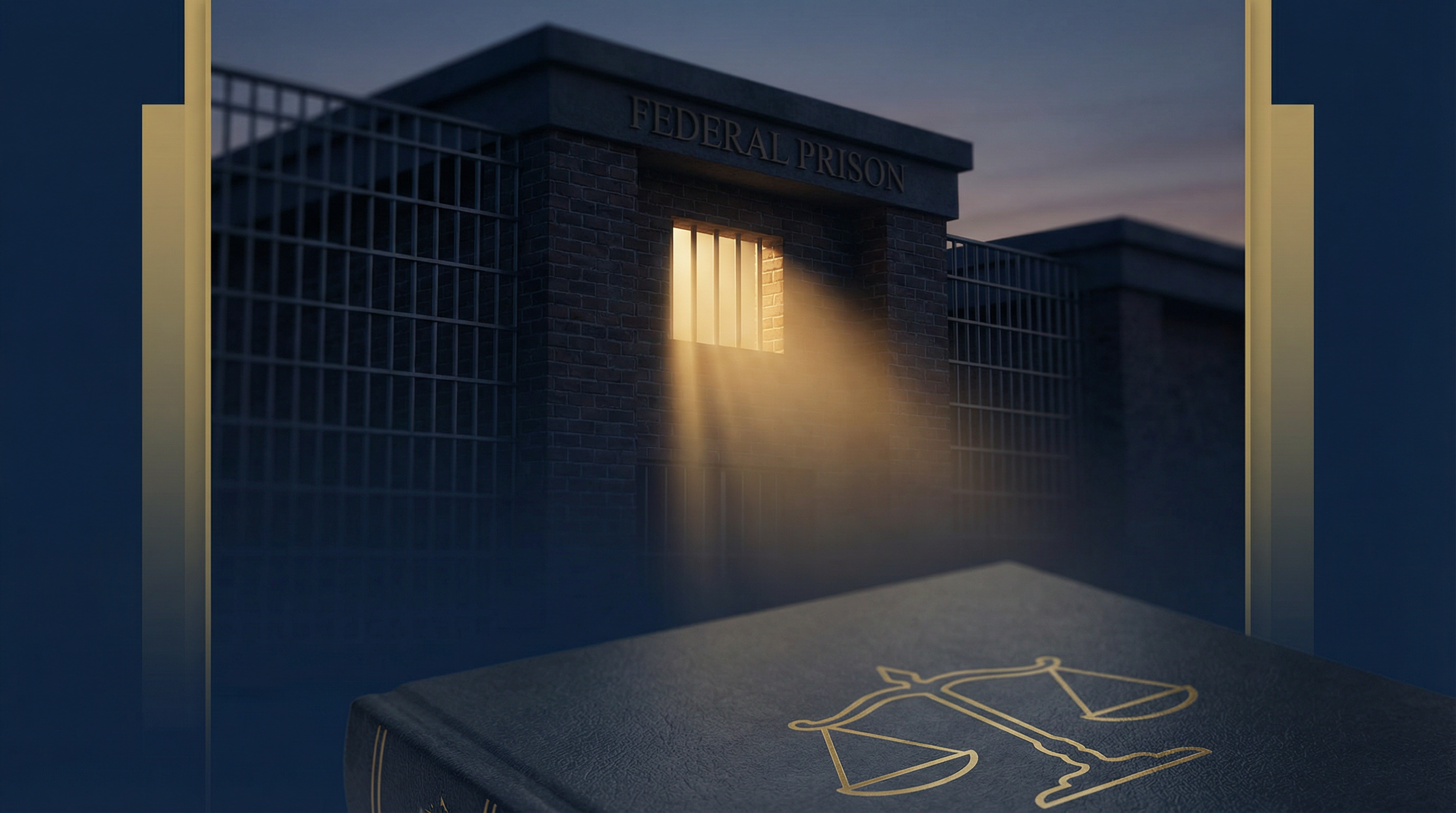
Understanding Federal Sentence Reduction: A Second Chance
In the federal justice system, a conviction and sentence do not always mark the end of the road. The law recognizes that circumstances can change, and justice may require a second look at a previously imposed sentence. Federal sentence reduction, also known as sentence modification, is a legal process that allows for a federal inmate's term of imprisonment to be shortened. This complex area of post-conviction relief offers a beacon of hope, but successfully navigating it requires a masterful understanding of intricate federal laws and procedures. From retroactive changes in sentencing guidelines to an inmate's extraordinary post-conviction conduct, various pathways exist to argue for a reduced sentence before a federal judge.
Key Legal Pathways to a Reduced Sentence
The possibility of reducing a federal sentence is not a free-for-all; it is governed by specific statutes and procedural rules. An experienced federal criminal defense attorney will first assess which, if any, of these legal avenues apply to a client's case. The primary mechanisms for seeking a sentence reduction are detailed below.
Compassionate Release: 18 U.S.C. § 3582(c)(1)(A)
Historically a narrow exception for the elderly and terminally ill, the scope of compassionate release was dramatically expanded by the First Step Act of 2018. This change now allows defendants to directly petition the court for a sentence reduction based on "extraordinary and compelling reasons." The U.S. Sentencing Commission and federal courts have recognized several categories that may qualify:
- Medical Conditions: Terminal illnesses or serious physical or medical conditions that substantially diminish the ability of the defendant to provide self-care within the prison environment.
- Age: Defendants who are at least 65 years old, have served the greater of 10 years or 75% of their term of imprisonment, and are experiencing a serious deterioration in health due to the aging process.
- Family Circumstances: The death or incapacitation of the caregiver of the defendant’s minor child or the incapacitation of a spouse or registered partner when the defendant would be the only available caregiver.
- Other Extraordinary Reasons: This is a catch-all category that gives judges discretion to consider a wide range of other factors, such as unusually long sentences for which the defendant has already served a significant portion, or significant rehabilitation.
The process requires an inmate to first request that the Bureau of Prisons (BOP) file the motion. If the BOP denies the request or fails to respond within 30 days, the inmate has the right to file the motion directly with the sentencing court. The judge will then weigh the reasons for release against the statutory sentencing factors in 18 U.S.C. § 3553(a), including the nature of the offense, the defendant's history, and the need to protect the public.
Rule 35: Correcting or Reducing a Sentence
Federal Rule of Criminal Procedure 35 offers two distinct, time-sensitive opportunities for sentence modification:
- Rule 35(a) - Correcting a Clear Error: This rule provides a very brief, 14-day window after sentencing for the court to correct a sentence that resulted from "clear error." This could be an arithmetical, technical, or other obvious mistake in the sentence calculation.
- Rule 35(b) - Reduction for Substantial Assistance: This is a powerful tool for defendants who provide significant cooperation to the government after they have been sentenced. If a defendant's assistance leads to the investigation or prosecution of another person, the government can file a motion to reduce the sentence. This motion is entirely at the government's discretion; a defendant cannot force the government to file it. The court will then determine the value of the assistance and the extent of the reduction, and can even reduce the sentence below a statutory mandatory minimum.
Retroactive Guideline Amendments: 18 U.S.C. § 3582(c)(2)
The U.S. Sentencing Commission can decide to give retroactive effect to amendments that lower the sentencing guideline ranges for certain offenses. When this happens, inmates who were sentenced under the older, higher guideline range may become eligible for a sentence reduction. This form of relief is not automatic. The defendant must file a motion in court, and the judge must determine if a reduction is appropriate. The court cannot, however, reduce the sentence to a term lower than the bottom of the amended guideline range. This makes it crucial to have a lawyer who stays on top of every change in federal court procedure and sentencing law.
Challenging the Sentence with a § 2255 Motion
A motion under 28 U.S.C. § 2255 is the primary vehicle for a federal prisoner to argue that their sentence is unlawful. This is a form of habeas corpus, a civil action brought against the government, that claims the sentence was imposed in violation of the U.S. Constitution or federal law. The most common grounds for a § 2255 motion are:
- Ineffective Assistance of Counsel: This is the most frequent claim. The defendant must prove that their original lawyer's performance fell below an objective standard of reasonableness and that this deficient performance prejudiced the outcome of their case.
- Constitutional Violations: Claims that the sentence violates the Eighth Amendment's prohibition on cruel and unusual punishment, or that prosecutors violated their constitutional duties (e.g., by withholding exculpatory evidence).
- Jurisdictional and Statutory Errors: Arguments that the court lacked jurisdiction to impose the sentence or that the sentence exceeds the statutory maximum for the crime.
These motions are subject to a strict one-year statute of limitations and involve complex legal arguments, making experienced legal representation essential.
What to Look for in a Federal Sentence Reduction Attorney
Seeking a sentence reduction is a specialized and challenging endeavor. The attorney you choose can make all the difference. You need more than just a general criminal defense lawyer; you need a legal advocate with specific, demonstrable experience in federal post-conviction litigation. Key qualifications include:
- Deep Expertise in Federal Sentencing: The lawyer should have an encyclopedic knowledge of the U.S. Sentencing Guidelines, relevant statutes like 18 U.S.C. § 3582, and the Federal Rules of Criminal Procedure.
- A Proven Track Record: Ask for specific examples of successful sentence reduction motions they have handled. While past success is no guarantee, it demonstrates experience and capability.
- Exceptional Research and Writing Skills: A successful motion is built on a foundation of meticulous legal research and persuasive, clear writing. The motion filed with the court is the primary tool of persuasion.
- Familiarity with Federal Courts: An attorney who regularly practices in federal court will understand the local rules and the tendencies of the judges and prosecutors, which can be a significant strategic advantage.
Frequently Asked Questions (FAQs)
1. Can I file for a sentence reduction on my own?
While you have the legal right to represent yourself (known as proceeding *pro se*), it is strongly discouraged. Federal sentence reduction motions involve some of the most complex legal arguments and rigid procedural rules in the criminal justice system. A small mistake can lead to your motion being dismissed without ever being considered on its merits. Your chances of success are exponentially higher with a qualified federal sentence reduction lawyer.
2. How long does the sentence reduction process take?
The timeline can vary dramatically. A motion based on a retroactive guideline amendment might be resolved in a few months. A more complex compassionate release motion or a litigated § 2255 motion can take a year or even longer, depending on the court's caseload and whether hearings are required.
3. What are the chances of actually getting my sentence reduced?
It is vital to have realistic expectations. The federal system values the finality of sentences, and reductions are the exception, not the rule. However, for a defendant with a valid legal claim, a well-prepared and persuasively argued motion can absolutely succeed. An honest attorney will not guarantee a result but will give you a frank assessment of your case's strengths and weaknesses.
4. What is the difference between a direct appeal and a motion for sentence reduction?
A direct appeal challenges legal errors that occurred *during* or *before* the trial and sentencing. It is filed in a higher court (the Circuit Court of Appeals) shortly after the conviction. In contrast, a motion for sentence reduction is usually filed in the original sentencing court and is based on new circumstances that have arisen *after* sentencing (like substantial assistance or a health crisis) or on issues that couldn't have been raised on direct appeal (like ineffective assistance of counsel).
5. How much does it cost to hire an attorney for a sentence reduction motion?
The cost can vary significantly based on the type of motion, the complexity of the legal and factual issues, and the attorney's experience. Most lawyers handle these cases on a flat-fee basis, which can range from several thousand dollars for a straightforward motion to a much more substantial fee for a complex, hearing-intensive § 2255 litigation. It is essential to discuss fees and have a clear written agreement before hiring an attorney.